
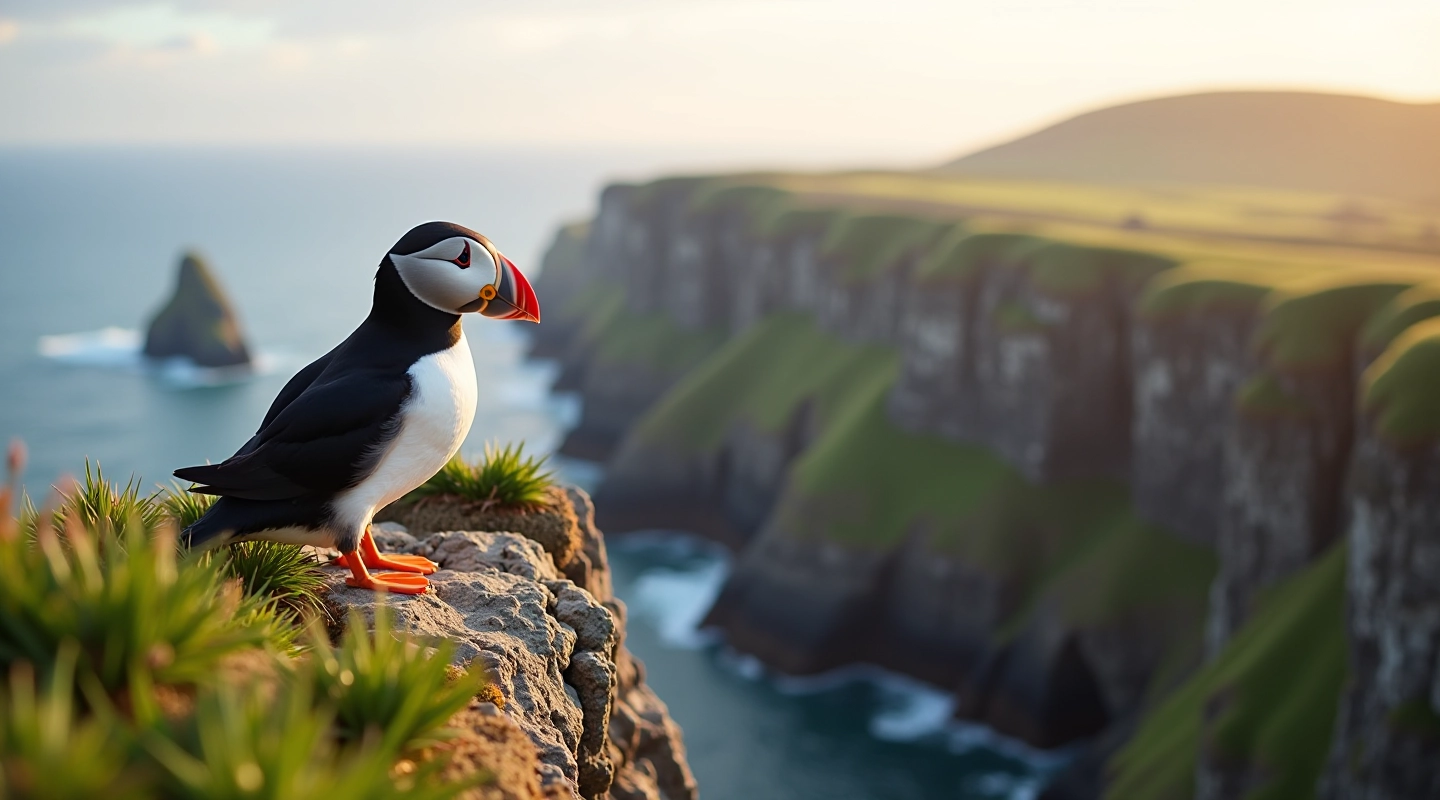
Sea Cliff Walks: Finding Puffin Colonies
Where to spot nesting puffins along Kerry's cliffs. Covers the best viewing spots, timing, and what to bring for birdwatching.
Read GuideSafe, comfortable walks along Kerry's spectacular coastline. We'll cover rest points, accessible routes, timing, and what to bring for a rewarding day out.
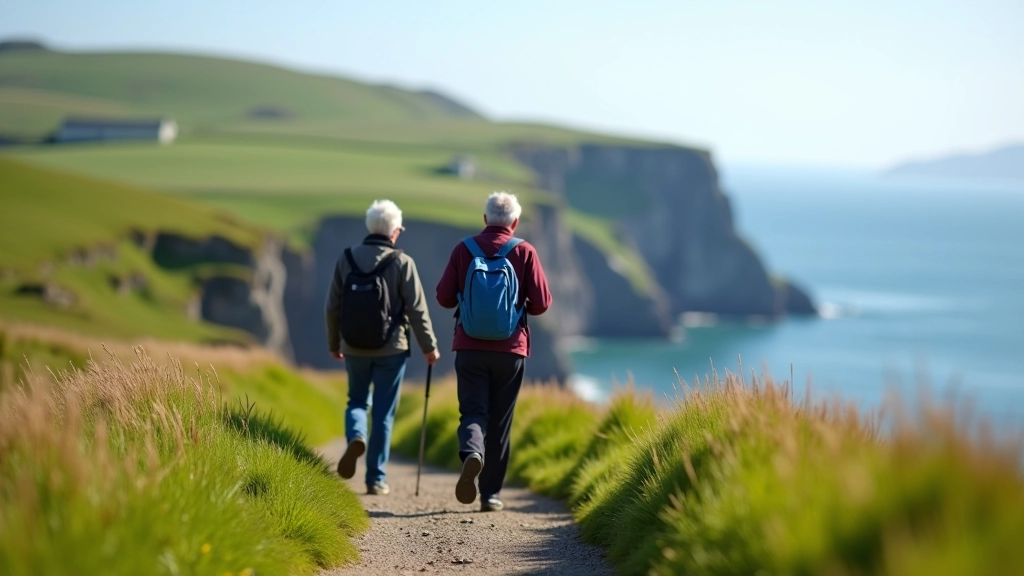
Coastal walking isn't just a pleasant way to spend an afternoon. It's low-impact exercise that builds strength without the jarring of road running, gives you natural scenery that lifts your mood, and provides genuine connection with others. Plus, you can set your own pace entirely.
The Kerry coast offers something special. You've got dramatic cliffs, hidden coves, manageable terrain, and parking that's actually nearby. We're not talking about scrambling up mountainsides — these are walkable routes where you stop when you want, rest when you need to, and soak in views that make it all worthwhile.
This guide covers practical things: which routes have proper rest points, where the ground gets slippery, what time of year is most comfortable, and how to prepare so you're not caught out. We've included specific details because that's what actually helps when you're planning.
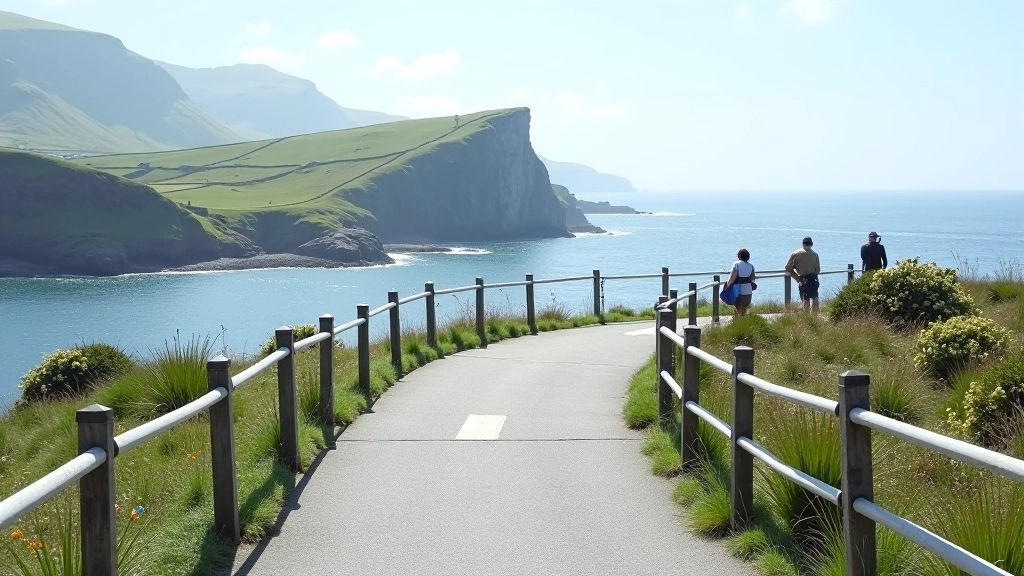
Not every coastal walk is the same. Distance matters, but so does surface and elevation change. A 2km walk on uneven rocky ground takes longer and feels harder than 2km on smooth path, so don't just go by numbers.
Paved paths, coastal walkways with decent maintenance. These are easiest on joints. Look for routes near visitor centers — they typically maintain paths well.
Some uphill is fine. What you're avoiding is steep sustained climbs. A gradual rise over 500m is manageable; a sharp 200m climb gets tiring fast.
Grass and gravel are fine. Loose scree or heavily rutted paths? Skip those unless you're specifically training. Stick with established routes.
The Valentia Island Slate Quarry walk is a good example — it's about 1.5km, mostly level, with historic interest to keep you engaged. You're not walking for the sake of distance; you're moving through landscape with actual character.
Author
Editorial Team
Written by the operawards editorial team, focused on practical, accessible guidance for coastal walks and heritage exploration in Kerry.
This guide provides general information about coastal walking routes in Kerry. Conditions vary seasonally and can change without notice. Always check current weather forecasts, tide times where relevant, and local advisories before heading out. If you have health concerns or mobility limitations, consult with your doctor before undertaking any walking route. Start with shorter distances to gauge your comfort level, and don't hesitate to turn back if conditions feel unsafe.
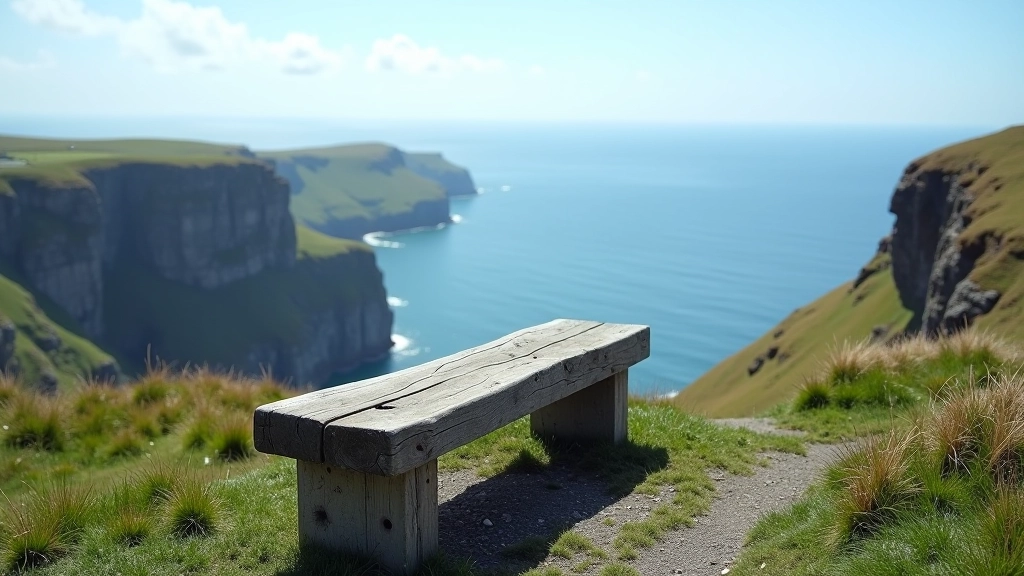
Here's something that separates a good walk from one you'll regret: knowing where you can actually sit down. Your legs might be fine, but your feet or back need breaks. Don't plan a 5km route assuming you'll manage it non-stop.
Most established coastal routes have benches every 800m to 1.5km. That's roughly 15 to 25 minutes of walking between rests — perfect for pensioners. You'll spot them on the OS map if you look carefully, or check local council websites which often list them specifically.
Walk for 60% of your available energy. Rest for 20%. Save the final 20% for getting back to the car safely. If you feel fine after 45 minutes, don't push to an hour. Your body isn't telling you you've got more — it's telling you you're warmed up. That matters.
Bring a lightweight snack too — something you can eat sitting down. A small chocolate bar, nuts, or a banana gives you energy without requiring much. Dehydration makes you feel tired faster, so water is essential. A small 500ml bottle is enough for a 2km route.
Discover other accessible walks along Kerry's spectacular coastline
Where to spot nesting puffins along Kerry's cliffs. Covers the best viewing spots, timing, and what to bring for birdwatching.
Read Guide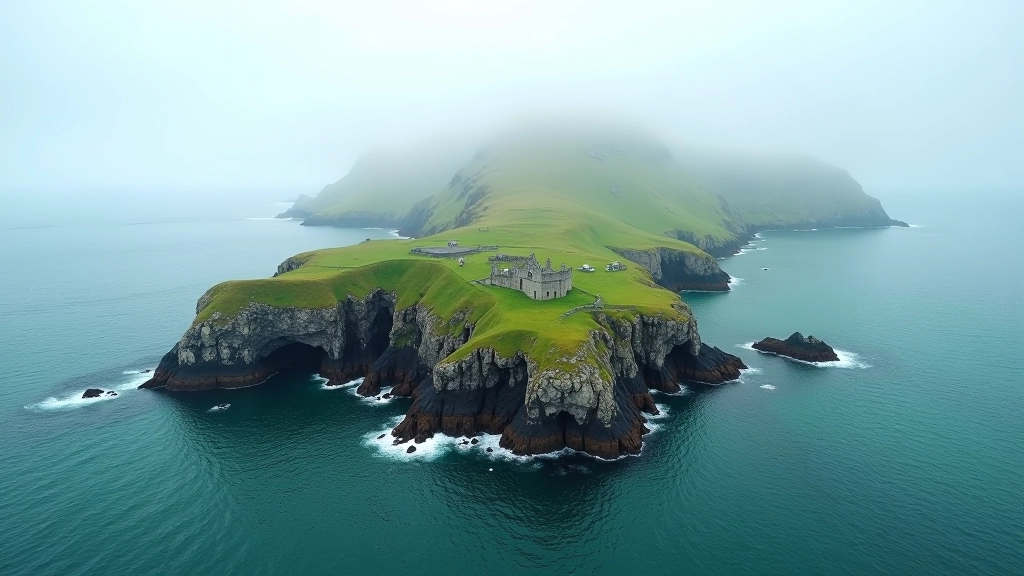
Walking routes to view Skellig Michael without boat access. Terrain details, difficulty levels, and best times to visit.
Read Guide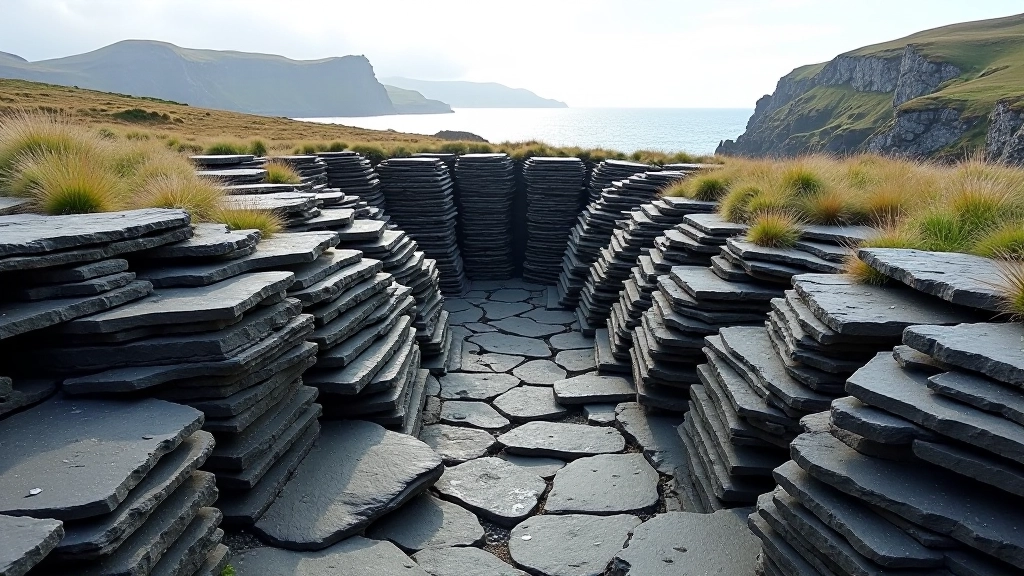
Exploring the historic slate quarry site. Easy walking paths, parking options, and what the landscape tells you about Kerry's heritage.
Read GuideKerry's coast doesn't have a bad season — it's got seasons that suit different things. Spring and early summer (May through July) are most comfortable. Ground's dry, days are long, and you've got time to walk without rushing back before dark.
Autumn can be brilliant if you catch decent weather. September and early October are often clear with that golden light. But weather changes fast. We're not exaggerating — you can have sun, wind, and rain within an hour. Check the forecast the evening before and again in the morning.
Water — 500ml minimum. You'll drink more than you think.
Windproof layer — Kerry coast is exposed. Even mild wind feels sharp on exposed cliffs.
Sunscreen and hat — Reflection off water intensifies sun exposure. Don't skip this.
Phone fully charged — Essential for safety. Keep it in a waterproof pocket.
Proper footwear — Not trainers. Walking shoes with ankle support. Coastal paths get slippery.
Don't overpack. A small backpack with essentials beats a heavy bag that tires you out. And honestly? A lightweight walking pole helps more than people admit — it reduces pressure on knees on downhill sections and gives you stability on uneven ground.

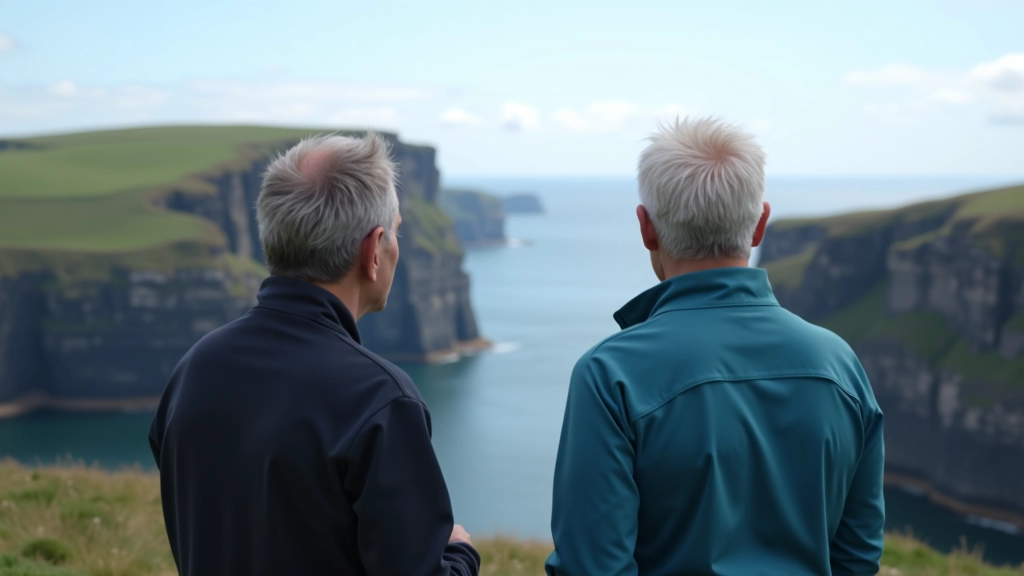
Coastal cliffs demand respect. That's not fear — that's common sense. Most accidents happen when people get distracted or overestimate their abilities. You're not doing either if you're reading this guide.
Stay on marked paths. Full stop. Shortcuts across grass might look appealing, but coastal cliffs can crumble unexpectedly. You don't need to test it. If a path feels sketchy — loose stones, steep drop, worn steps — turn back. There's no prize for pushing through. You'll walk this coast many times if you're sensible about it once.
Tides matter. If your route goes near water or through areas affected by tides, check tide times before you go. A beach walkable at low tide becomes inaccessible at high tide — you don't want to discover this mid-route.
Tell someone where you're going. Leave a note with a family member saying which route you're walking and when you'll be back. Takes 30 seconds, could matter if something goes wrong.
Lighting matters. In winter, darkness comes at 4pm. Plan accordingly. A 2km walk takes roughly 30-40 minutes for most people — don't start one at 3:30pm in December.
Most of Kerry's established coastal walks are genuinely safe when approached sensibly. Thousands of people walk them yearly without incident. You'll be fine if you're thoughtful about conditions, respect the landscape, and don't push yourself beyond what feels manageable.
Coastal walking for pensioners isn't a niche activity — it's something you can absolutely do well. The key is honest assessment: pick routes that match your fitness level, bring what you actually need, check conditions, and move at a pace you enjoy. Don't compare yourself to someone else's idea of what a walk should be. Your pace is the right pace.
Start with one of Kerry's easier established routes. Walk it once to get a feel for the distance and terrain. Then you'll know what to expect and can push a bit further next time if you want to. This isn't a test you're trying to pass — it's something you're doing because it makes you feel good.
The coast will be there next week, next month, and next year. You've got time. Walk at your own pace, rest when you need to, and enjoy the fact that you're out there doing it. That's what matters.
Browse All Kerry Coastal Walks