
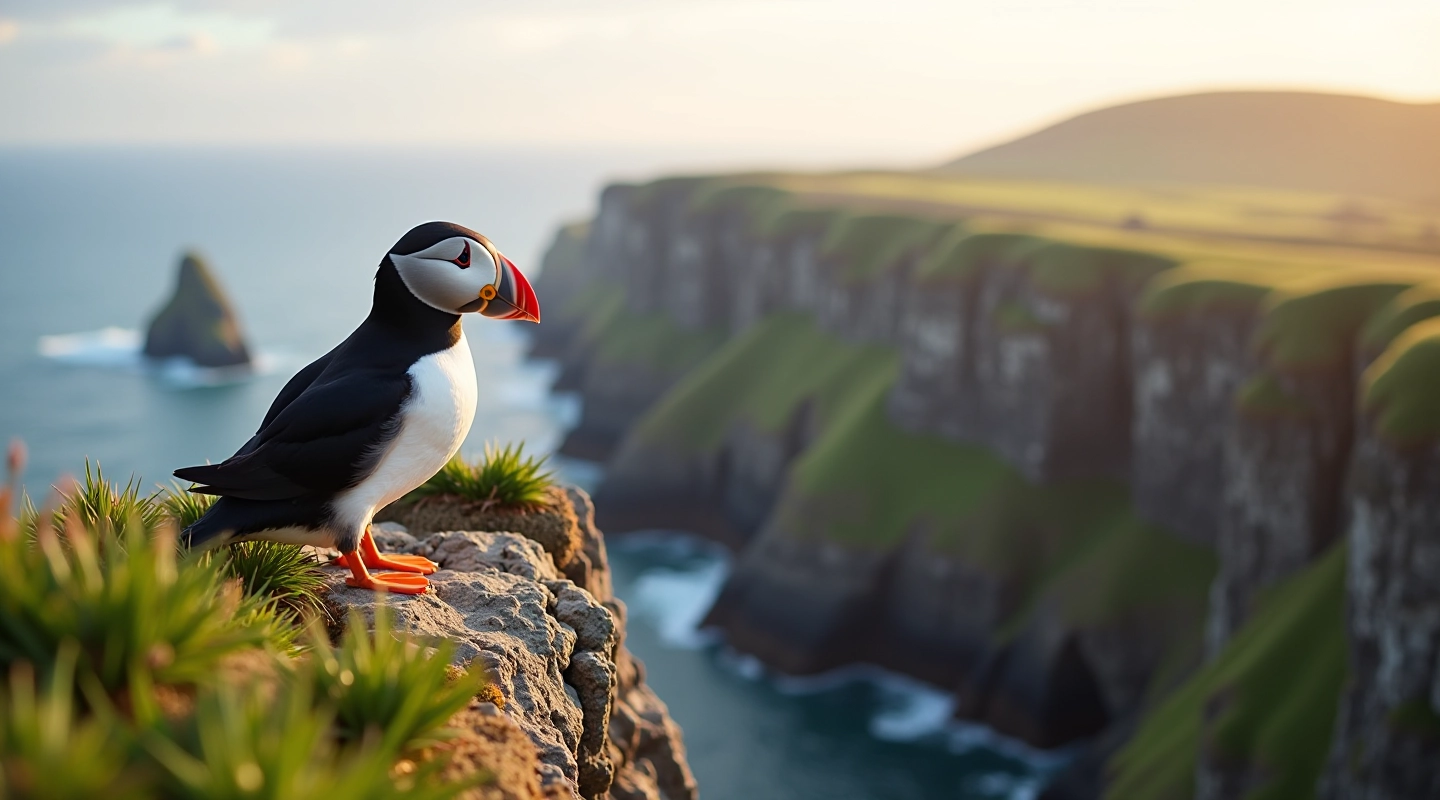
Sea Cliff Walks: Finding Puffin Colonies
Where to spot nesting puffins along Kerry's cliffs. Covers the best viewing spots, seasonal timing, and what to expect when you visit these dramatic coastal formations.
Explore the historic slate quarry heritage site with easy walking paths, stunning geology, and coastal views
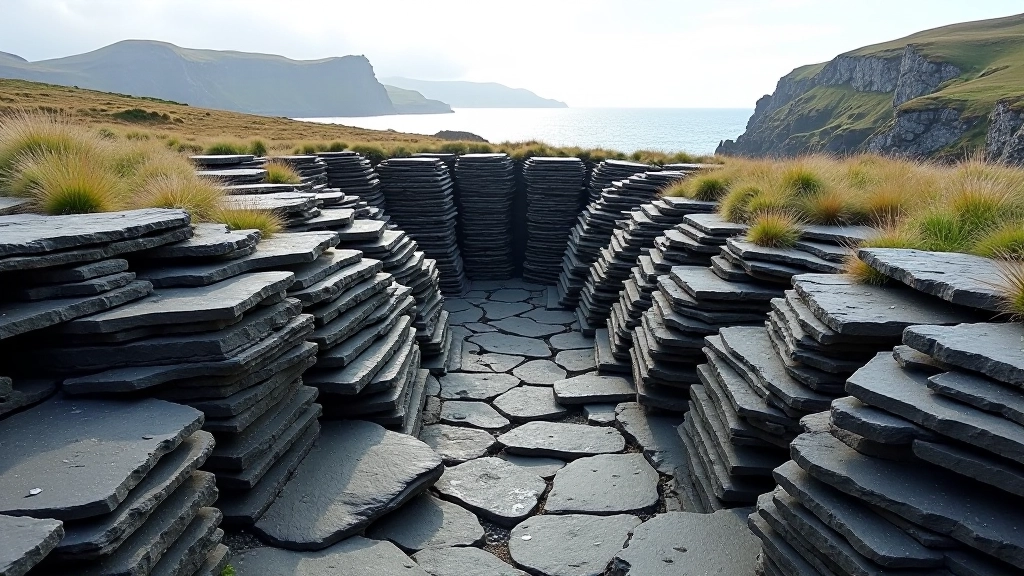
Valentia Island's slate quarry isn't just geology — it's a working window into Kerry's industrial past. The walk itself takes about an hour and covers mostly flat terrain with clear paths. You'll see why this stone became so valuable, and the views back toward the mainland are genuinely impressive.
What makes this walk special is the combination of easy access and real character. The quarry site's dramatic rock formations create natural amphitheaters of stone. It's not crowded, the air is clear, and you're walking where craftspeople quarried slate for centuries. Even if you're not particularly interested in geology, the landscape alone justifies the trip.
Mostly flat with well-defined paths throughout the site
About 60 minutes total, allowing your own pace
Dedicated car park with facilities nearby
Editorial Team
Written by the operawards editorial team, focused on practical, accessible guidance for coastal walks and heritage exploration in Kerry.
The quarry's located on Valentia Island itself, which you'll reach via the causeway from the mainland. Once you're on the island, signage directs you toward the slate quarry site. There's a proper car park with about 30 spaces — it fills up on summer weekends but there's usually overflow nearby.
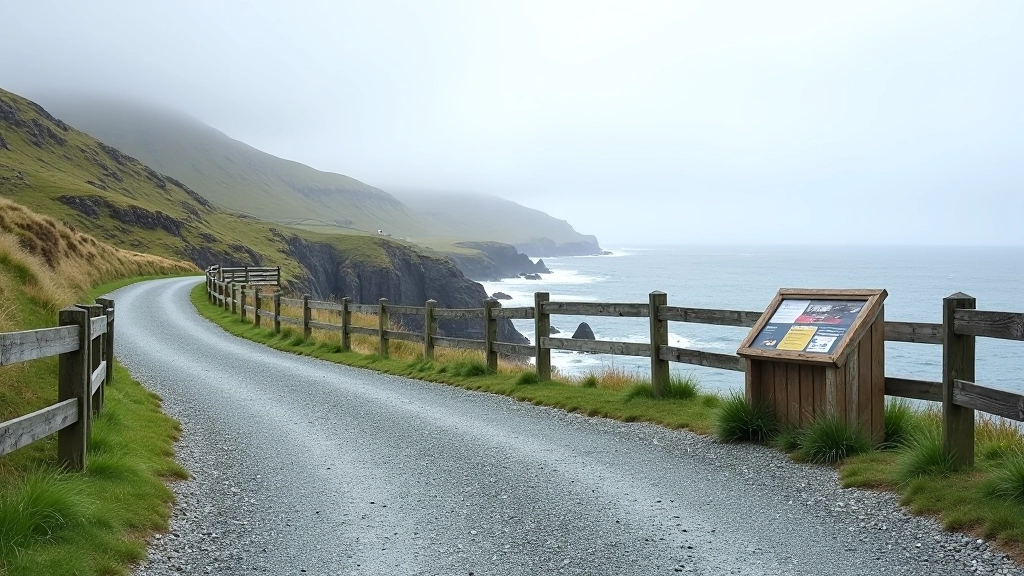
You'll find basic facilities: public restrooms and a small information board explaining the site's history. The entrance fee is minimal, and there's no time limit on how long you stay. Most people spend between 45 minutes and two hours here depending on how much they want to explore and photograph.
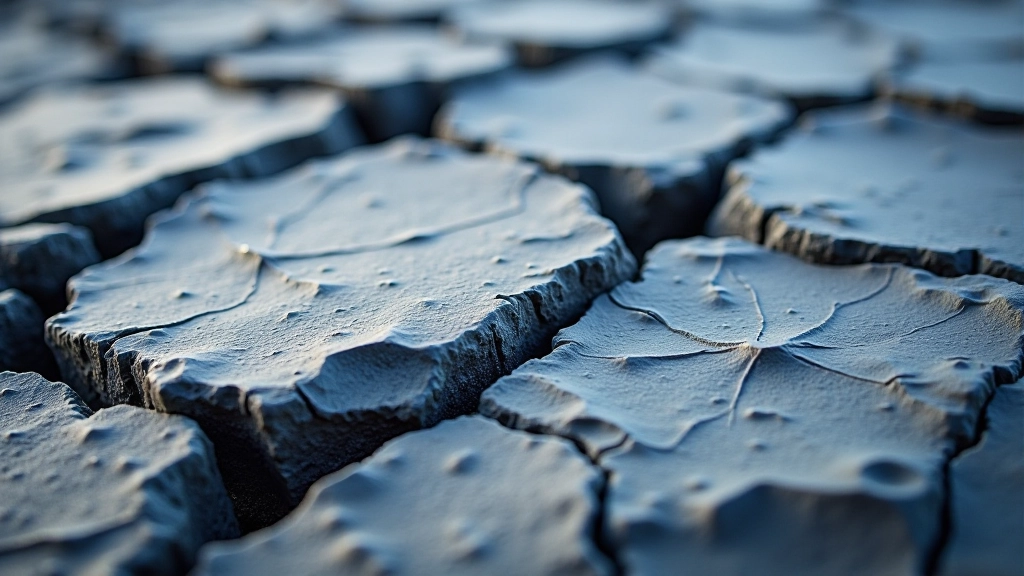
Valentia's slate comes from ancient mudstone that got compressed and heated over millions of years. What's remarkable is how cleanly it splits — those geometric fracture lines you'll see everywhere aren't random. The stone breaks along natural weakness planes, which is exactly why quarrymen could extract such clean, usable slates.
The quarry operated from around the 1850s through the mid-1900s, though the actual quarrying here stopped decades ago. What you're seeing now is the landscape the process created — deep excavations, exposed rock faces, and those distinctive layered walls that look almost architectural.
Did you know? Valentia slate was shipped across Ireland and Europe. The roofs you see on Victorian buildings in Dublin and Cork often came from this island. It's durable stuff — some of those roofs are still in use 150+ years later.
This guide provides general information about the Valentia Island slate quarry walk based on current conditions. Site facilities, access, and opening hours may change seasonally. Always check with local tourism information before visiting. The quarry site has exposed rock faces and uneven terrain in places — exercise caution and stay on marked paths. This information is educational and not a substitute for on-site guidance or official site notices.
There's no single fixed trail — instead, you're exploring a network of quarry access roads and paths that form naturally through the site. Starting from the car park, you'll head toward the main quarry basin. The path is obvious and well-used. You can wander deeper into the excavations or stick to the perimeter depending on your comfort level.
Most people do a loose loop taking about an hour. You'll pass through areas where the rock walls tower above you, creating dramatic perspectives. The views back toward the mainland improve as you climb slightly higher into the site. On clear days, you can see the Skellig Islands in the distance.
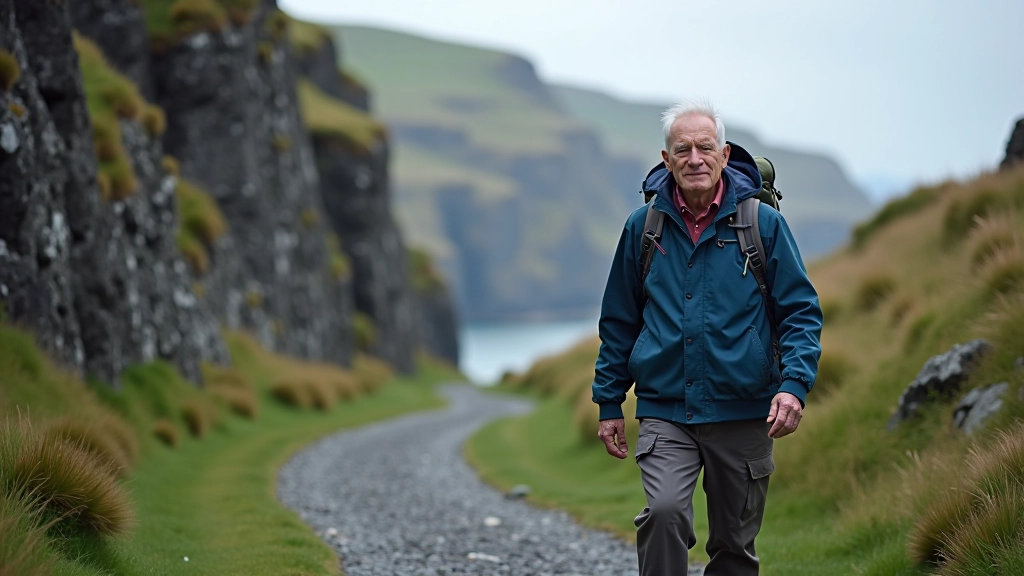
Discover other fascinating walks in Kerry's coastal regions
Where to spot nesting puffins along Kerry's cliffs. Covers the best viewing spots, seasonal timing, and what to expect when you visit these dramatic coastal formations.
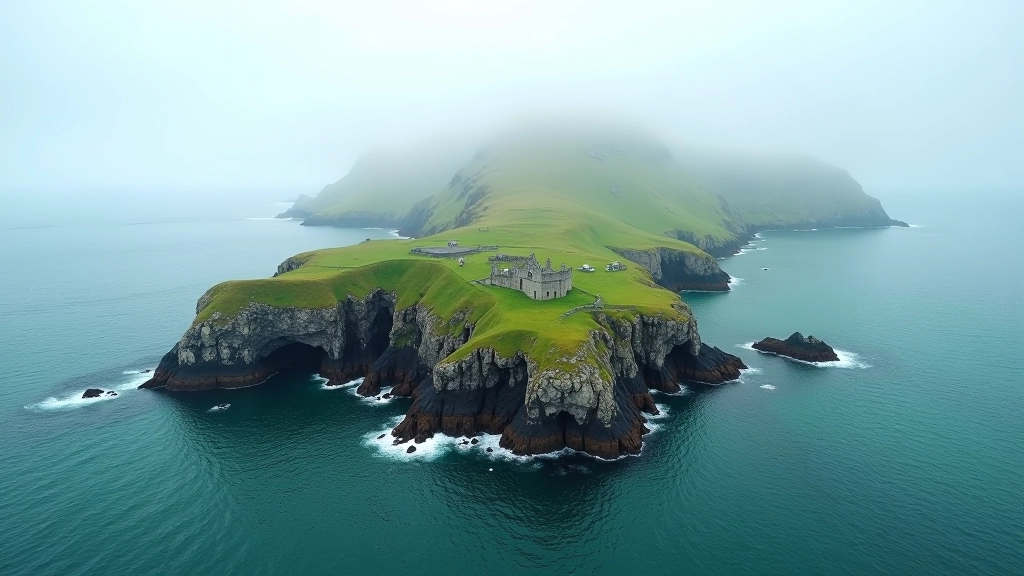
Walking routes to view Skellig Michael without boat access. Terrain details, difficulty ratings, and directions to the best viewpoints for photography and exploration.
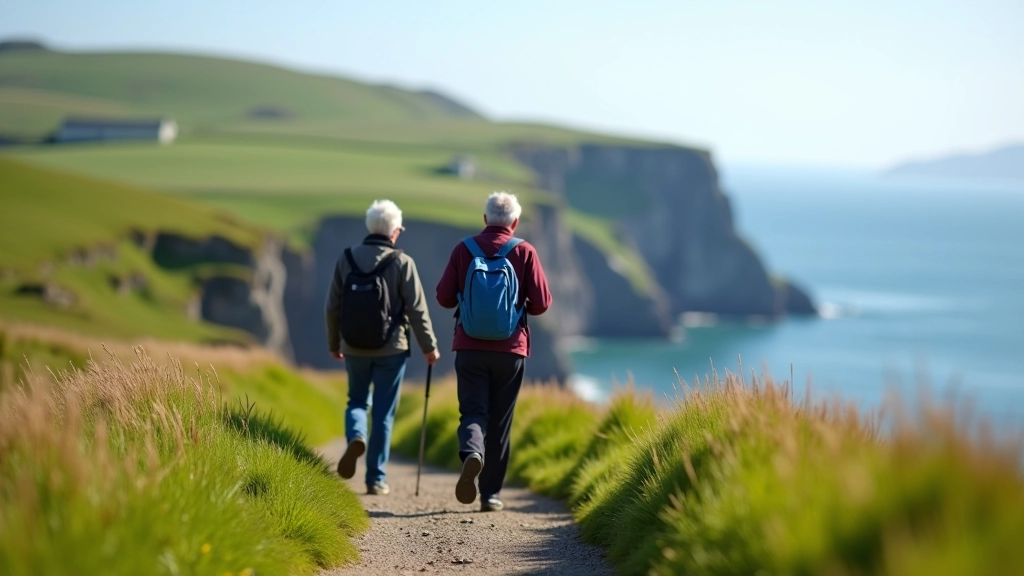
Tips for comfortable coastal walks in Kerry. Includes rest points, accessible routes, facilities, and practical advice for enjoying the landscape at your own pace.
This isn't a famous tourist destination with crowds and gift shops. It's a real place where you can walk through actual history — literally walking on ground that shaped buildings across Europe. The slate quarry offers something rare: genuine character combined with genuine accessibility. You don't need to be fit, you don't need special equipment, and you won't spend the whole day there.
What you will get is perspective. Standing in those quarry basins surrounded by 150 years of extraction history, you start thinking about the people who worked this stone by hand. The effort, the skill, the daily grind of pulling usable slate from the earth. And then you'll probably take a photo of how beautiful the geological patterns look — because they're genuinely stunning from a visual perspective too.
Valentia Island itself is worth more than just this one walk. The island has other viewpoints, coastal paths, and quieter spots. If you're in Kerry and interested in either geology or industrial heritage, you've found something worth a few hours of your time. The walk is straightforward enough that anyone reasonably mobile can do it. That's the appeal — accessible, genuine, and genuinely interesting.
Ready to explore more walks in Kerry?
View All Coastal Walks